
OGPO
Oil and Gas Production Operator Training
Develop foundational knowledge of production equipment, hydrocarbon separation, process monitoring, instrumentation, and process safety. Learn how operators interpret operating parameters, recognize abnormal conditions, and follow approved procedures to support safe and reliable oil and gas production.
Inside the OGPO Profession
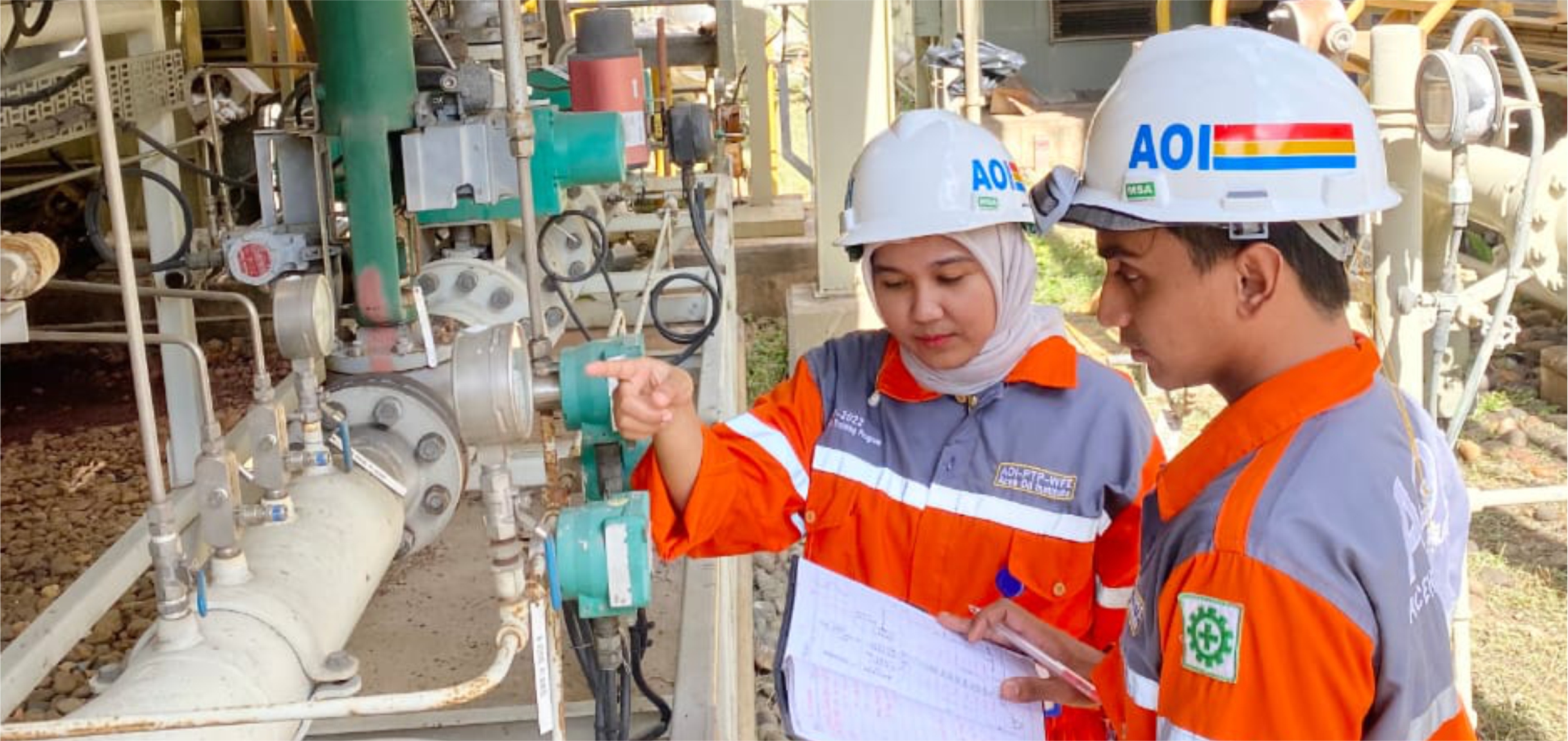
Oil and Gas Production Operators are responsible for operating, monitoring, and controlling production facilities to ensure the safe and efficient handling of produced hydrocarbons. Their duties include monitoring production rates, operating pressures, temperatures, and liquid levels in production separators and other process equipment, and adjusting control valves and operating parameters in accordance with approved procedures and operating limits. They monitor the separation of oil, gas, and produced water, verify the operating condition of pumps, compressors, and associated instrumentation where applicable, and identify abnormal conditions such as pressure fluctuations, high liquid levels, equipment malfunction, or process upsets. Operators also coordinate the handling and transfer of produced fluids to storage, treatment, or export systems, verify compliance with applicable product specifications, and maintain accurate operational records. In addition, they conduct routine equipment inspections, respond to process alarms, report defects, and implement approved safety and environmental procedures to maintain process integrity, equipment reliability, and production continuity.
Accountabilities & Occupations OGPO
Explore the essential knowledge, operational duties, educational qualifications, and career pathways for Oil and Gas Production Operators.
Build the technical foundation needed to understand oil and gas production operations, process equipment, operating parameters, and safe work practices. These knowledge areas support further training in field operations, process monitoring, equipment operation, and abnormal-condition response. They provide a learning foundation rather than a guarantee of job qualification.
Core Knowledge Areas
- Oil & Gas Production Fundamentals: Understand the production flow path from wells and gathering systems to primary processing, storage, treatment, and export. Learn the basic functions of separation and the handling of oil, gas, and produced water.
- Process Variables & Fluid Properties: Understand pressure, temperature, flow rate, liquid level, and differential pressure. Learn the basic properties of hydrocarbons and how operating conditions influence fluid behavior and separation performance.
- Production Equipment: Understand the functions and operating principles of separators, pumps, compressors, heat exchangers, control valves, filters, and associated equipment commonly found in production facilities.
- Instrumentation & Process Control: Understand the basic functions of pressure, temperature, flow, and level instruments; transmitters; control valves; alarms; and process control loops. Learn how operators use DCS/PLC displays and trends where applicable to monitor process conditions.
- Process Flow Diagrams & P&IDs: Develop familiarity with process flow diagrams, piping and instrumentation diagrams, equipment identification, instrument tags, valve symbols, and process flow paths. Understand how these documents support field checks, operational coordination, and equipment isolation planning.
- Process Safety & Hazard Awareness: Understand hydrocarbon flammability, pressure hazards, potential toxic gas exposure, loss of containment, and other relevant process hazards. Learn the principles of hazard identification, risk assessment, permit to work, lockout/tagout, and emergency response.
- Operating Procedures & Abnormal Conditions: Understand the purpose of approved operating procedures, operating limits, alarm response instructions, and equipment start-up and shutdown procedures. Learn to recognize abnormal indicators such as unstable pressure, high liquid levels, equipment leakage, and unusual vibration.
- Product Quality & Environmental Protection: Understand basic oil and gas quality requirements, sampling principles, produced-water handling, emissions, waste management, and the importance of preventing environmental releases in accordance with applicable requirements and facility procedures.
- Technical Mathematics & Operational Records: Apply basic calculations involving units, flow rates, operating readings, and simple process data. Understand equipment logs, shift handover records, inspection checklists, and the importance of accurate operational reporting.
- Technical Communication & Team Coordination: Interpret operating instructions, communicate equipment status, report abnormal conditions, and understand the coordination required between field operators, control room personnel, maintenance teams, and supervisors.
01. Process Equipment Operation & Control
- Operate and monitor production separators, pumps, compressors, heat exchangers, control valves, and associated process equipment in accordance with approved operating procedures and assigned authorization.
- Monitor pressure, temperature, flow rate, liquid level, differential pressure, and equipment-specific operating indicators against approved operating limits. Interpret DCS/PLC trends, alarms, and instrument readings to identify deviations from normal operating conditions.
- Recognize abnormal conditions such as high separator liquid level, unstable operating pressure, excessive compressor vibration, and loss of cooling or lubrication. Apply the prescribed response, communicate with the control room where applicable, and escalate conditions that threaten safe or reliable operation.
02. Hydrocarbon Processing & Product Quality
- Monitor oil, gas, and produced-water separation processes. Understand how pressure, temperature, flow conditions, and liquid levels influence separator performance and the quality of separated fluid streams.
- Monitor dehydration, gas sweetening, filtration, and other treatment processes where installed. Recognize indicators of reduced treatment efficiency, liquid carryover, inadequate dehydration, and off-specification product conditions.
- Perform authorized sampling and coordinate laboratory analysis in accordance with approved sampling procedures. Review relevant quality results and support the investigation and escalation of deviations from applicable product specifications.
03. Equipment Isolation & Lockout/Tagout (LOTO)
- Identify hazardous energy sources associated with equipment maintenance, including pressurized hydrocarbons, electrical power, hydraulic or pneumatic energy, thermal energy, and stored mechanical energy.
- Follow approved isolation plans and site procedures for equipment shutdown, isolation, depressurization, draining, purging, and other required preparation activities. Apply or verify locks, tags, blinds, and other isolation devices within the operator’s assigned authorization.
- Verify isolation status and required safe conditions before equipment is released for authorized work. Follow applicable requirements for residual-energy control, gas testing, isolation handover, and reinstatement after maintenance.
04. Permit to Work (PTW) & Operational Documentation
- Verify the work scope, equipment identification, permit approvals, risk assessment, and required safety controls before work begins. Confirm applicable isolation certificates, gas testing, and toolbox talks in accordance with site requirements.
- Recognize simultaneous operations (SIMOPS) and potential conflicts between production activities and maintenance work, including hot work, lifting operations, confined-space entry, and other hazardous activities.
- Maintain accurate shift logs, equipment status records, permit documentation, and abnormal-event reports. Communicate active permits, process deviations, temporary equipment conditions, and outstanding actions during formal shift handover.
05. Field Inspection & Equipment Condition Monitoring
- Conduct routine field inspections of pumps, compressors, valves, pipelines, and critical production equipment using approved inspection routes and checklists. Check for leakage, abnormal noise, excessive vibration, unusual temperature, corrosion, and visible equipment damage.
- Monitor equipment-specific indicators, including pump suction and discharge pressures, compressor operating parameters, bearing temperatures, lubrication-system condition, and other relevant indicators of equipment performance.
- Recognize signs of equipment deterioration or potential failure, document inspection findings, and report defects through the established maintenance notification system. Perform only maintenance activities permitted by the operator’s training, authorization, and approved procedures.
06. Process Safety & Emergency Response
- Recognize process safety hazards, including hydrocarbon leaks, abnormal pressure escalation, high-high liquid levels, fire and gas alarms, loss of containment, and equipment conditions that may compromise safe operation.
- Understand the functions of process alarms, trips, interlocks, Emergency Shutdown (ESD) systems, and fire and gas detection systems. Follow approved alarm response and emergency procedures, including communication with the control room and escalation to the responsible authority.
- Participate in emergency drills covering hydrocarbon releases, fire, gas detection, evacuation, and muster procedures. Understand ESD activation requirements, assigned emergency responsibilities, and incident and near-miss reporting procedures in accordance with site rules.
Qualifications depend on the employer, specific role, and applicable local requirements.
Post-Secondary Education
- Relevant associate degree or technical education in process technology, chemical engineering technology, or mechanical engineering technology.
- Vocational training in oil and gas processing or industrial operations.
Relevant Experience
Practical experience in processing facilities, equipment operation, maintenance support, or industrial environments can strengthen a candidate’s qualifications.
Certifications & Safety Training
- Relevant occupational health and safety training.
- Equipment-specific certifications where required.
- Industry qualifications specified by the employer.
Formal education and certification requirements vary across employers and jurisdictions.
Oil and gas production operator training develops foundational knowledge of production equipment, hydrocarbon separation, process monitoring, field inspections, and safe operating practices. These competencies may support applications for relevant entry-level or junior operational roles, subject to employer requirements, practical experience, and applicable qualifications.
Potential Employment Opportunities
- Production Operator — Monitor production equipment, operating parameters, and hydrocarbon flow conditions in accordance with approved operating procedures.
- Field Operator — Conduct field rounds, inspect equipment, identify abnormal conditions, and coordinate with control room personnel.
- Gas Plant Operator — Monitor gas processing equipment, treatment systems, and process conditions, subject to facility-specific training and authorization.
- Process Operations Technician — Support process monitoring, equipment checks, operating records, and coordination of routine operational activities.
- Control Room Operator — Monitor DCS displays, process trends, alarms, and operating parameters. This role may require additional control room experience and role-specific competency assessment.
Potential Career Progression
- Senior Production Operator — Apply broader operational experience to complex field activities, abnormal-condition recognition, and operational support.
- Lead Operator — Coordinate operator activities, communicate equipment status, and support safe execution of daily production tasks.
- Shift Supervisor — Coordinate shift operations, personnel, production priorities, and operational risk controls, subject to employer criteria.
- Operations Supervisor — Oversee production activities, operating performance, personnel competency, and compliance with operational requirements.
Related Technical Career Pathways
Experienced operators may also explore related fields such as equipment reliability, maintenance coordination, process safety, or environmental operations. These pathways may require additional technical training, certifications, relevant experience, or formal qualifications, depending on the role.
Career progression depends on demonstrated competency, relevant work experience, required qualifications, available positions, and the employer’s recruitment and promotion criteria. Completion of this training does not guarantee employment, promotion, or qualification for a specific position.
Explore Careers in Oil & Gas Production Operations
Build a foundation for roles involving hydrocarbon production, process equipment operation, field monitoring, and plant control. Career opportunities depend on employer requirements, relevant qualifications, practical experience, and role-specific training.
Production Operator
Monitor production rates, separator pressure and liquid levels, operating conditions, and equipment performance to support safe and stable hydrocarbon production.
Gas Plant Operator
Operate and monitor gas processing equipment, treatment systems, process parameters, and product quality in accordance with approved operating procedures.
Oil & Gas Field Operator
Conduct field rounds, verify equipment status, identify leaks and abnormal conditions, and coordinate operating activities with the control room and maintenance teams.
Control Room Operator
Monitor DCS displays, process trends, alarms, and operating parameters, and coordinate approved control actions with field personnel to maintain stable operations.
Operations Support Technician
Support equipment condition monitoring, defect reporting, operating checks, and coordination with maintenance personnel to improve equipment reliability and production continuity.
Process Safety Technician
Support operational risk controls, permit-to-work processes, equipment isolation verification, hazard reporting, and process safety activities within the assigned role.
Potential Career Progression
Build Your Technical Skills.
Prepare for a Career in
Oil & Gas Operations.
Develop essential knowledge of production equipment, process monitoring, hydrocarbon separation, and operational safety. Learn how production operators monitor process conditions, recognize abnormal situations, and follow approved operating procedures to support safe and reliable production.
Production Equipment & Process Control
Process Monitoring & Troubleshooting
Safe Operating Practices
Ready to Develop Your Operator Skills?
Explore the training program, review the available schedule, and discover the technical competencies covered in Oil and Gas Production Operator training.
VIEW TRAINING & ENROLL ➜ Take the next step in your oil and gas operations training.